Wellness collection · Vol. I, No. 1
The scan if you smoked
Lung cancer screening is a yearly low-dose CT for a specific smoking history, between 50 and 80. A chest x-ray does not do this job.
· 7 min read · includes a film
One pack a day for twenty years is a twenty pack-year history. Two packs a day for ten years is the same history. Ask if the scan applies to you.
On film · National Cancer Institute
Lung and Bronchus Cancer Statistics | Did You Know? · NCI
The Institute’s short film on lung cancer. The counts in a film belong to the year it was made. The question for you is whether a low-dose scan belongs on this year’s list.
The film on this page is the National Cancer Institute’s short picture of lung cancer. Treat the counts in it as a film from the year it was made, not as a forecast with your name on it. The useful question is narrower, and the CDC and the Task Force answer it the same way: a yearly low-dose CT scan of the lungs, for certain people who smoked, can find a cancer before it has announced itself.
Who the scan is for
The U.S. Preventive Services Task Force recommends yearly screening with low-dose computed tomography for adults 50 to 80 who have a 20 pack-year smoking history and who smoke now or quit within the past 15 years. A pack-year is a pack a day for a year. Twenty pack-years is a pack a day for twenty years, or two packs a day for ten, or any mix that lands on the same total. The scan should stop once a person has not smoked for 15 years, or develops a health problem that seriously limits how long they are likely to live, or limits their ability or willingness to have surgery that could cure a lung cancer. If you would not want that surgery, say so before the scan. Finding something you would not treat is its own harm.
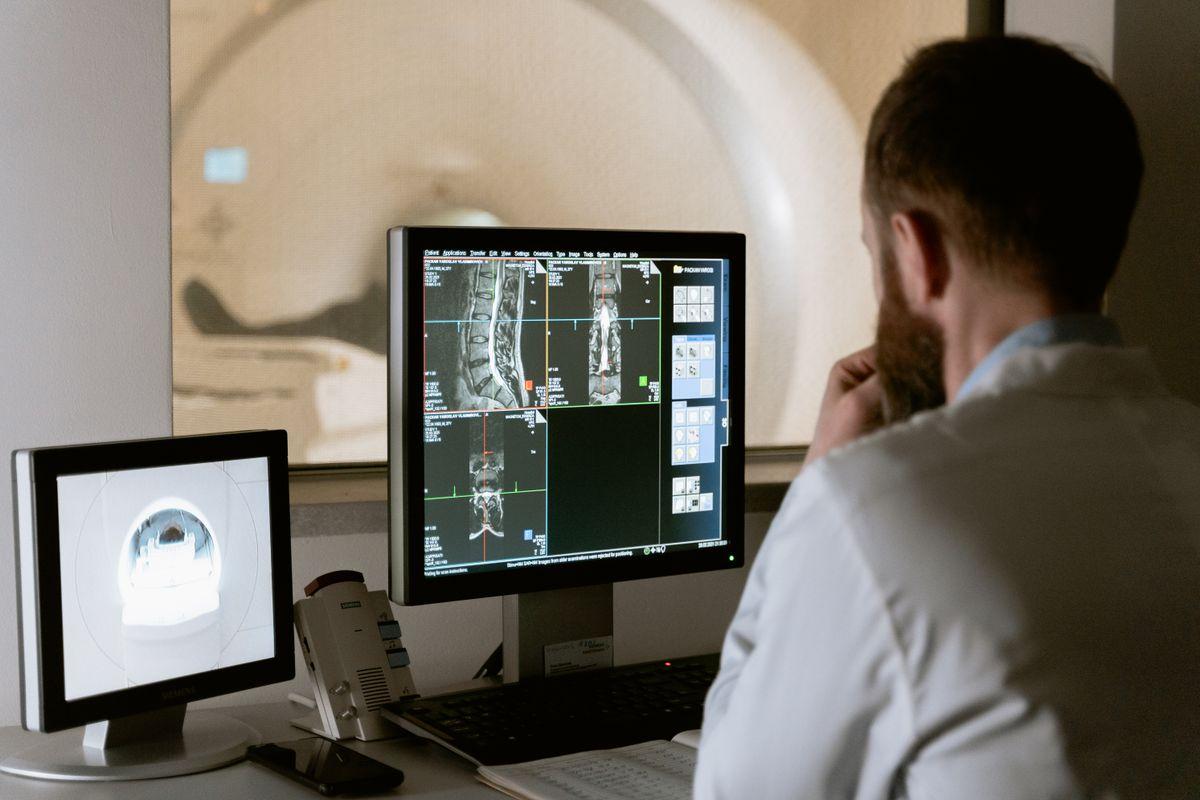
The test is not a chest x-ray, and it is not a blood test from a magazine. You lie on a table. The machine uses a small dose of radiation and takes a few minutes. It does not hurt. It can find spots that are not cancer, and those false alarms lead to more scans and sometimes to a biopsy. That is the bargain. The CDC says the scan is for people at high risk who do not already have symptoms.
If you never smoked
This particular screening is not aimed at people without that smoking history. Lung cancer still happens to some of them. A cough that does not leave, coughing up blood, chest pain that is new, a hoarse voice that stays, or losing weight without trying is a call whether you smoked or not. Do not wait until you qualify for a program. Programs are for people who feel well.
Quitting is still allowed to matter
Screening does not require you to keep smoking so you stay eligible. The CDC’s pages on quitting are the practical ones: 1-800-QUIT-NOW. A person who quit eleven years ago may still be inside the 15-year window. A person who quit twenty years ago is outside this screening rule, and still deserves a call about a symptom. Shame is a poor reason to skip the question. Write your years and your packs on a card before the visit so you are not doing arithmetic in the chair.