Sunday, November 22, 2026

$10 a month

Golden Age Daily

A morning paper for Americans in their seventies. Food, a walk, and the money, in plain English.

Vol. I, No. 1 is open

Wellness collection · Vol. I, No. 1

The card you take into the room

A cancer visit moves faster than memory. One card, written the night before, keeps the questions you actually came with.

· 8 min read · includes a film
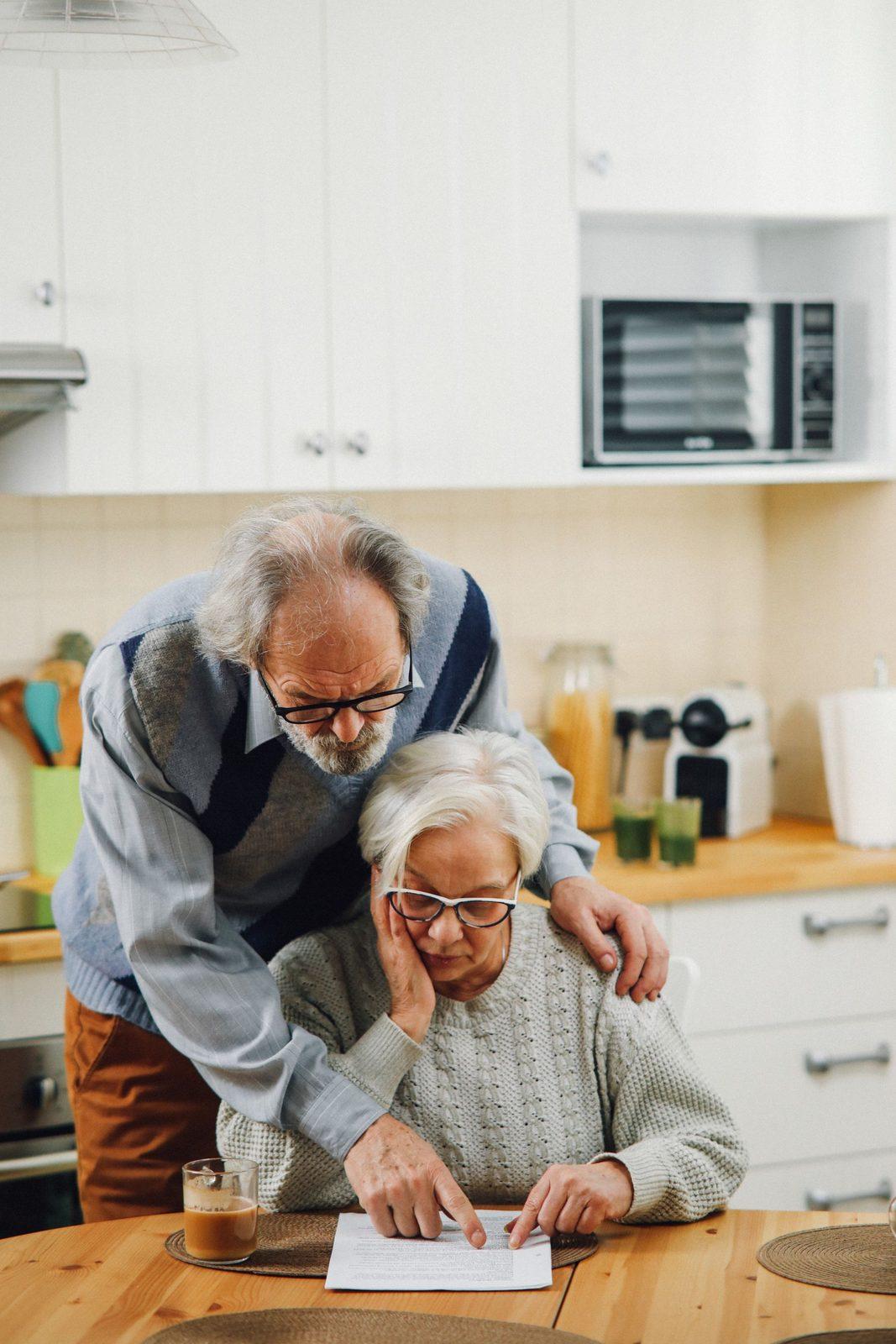
An older couple at a wooden kitchen table, both pointing at a printed page
Two people, one page. The second pair of ears is for the visit, not for choosing the treatment. Photograph by T Leish.
Ask the most important question first. The visit can end before the list does.

On film · National Cancer Institute

Improving Cancer Care for Older Adults · NCI

A talk for clinicians about looking at the whole older person, not only the tumor. Watch enough to learn the phrase geriatric assessment, then ask whether anyone has done that look for you.

Open it on YouTube

The National Cancer Institute and the American Cancer Society both tell you the same plain thing: write the questions down and take them in. A cancer visit is a lot of words in a short chair. Fear makes the words harder to keep. A card does not make you a difficult patient. It makes the visit about the cancer you have, not about the question you remember in the parking lot.

Bring a second person if you can. The American Cancer Society says that person can remind you of a question and write what was said. Ask whether you may record the visit on your phone. Some clinics allow it. Some want you to ask first. Either way, two sets of ears beat one.

The questions worth the top of the card

  • What is the name of this cancer, and what stage do you believe it is? Please write both down.
  • What treatments are actually options for this cancer, not for cancer in general?
  • Which one do you recommend, and why that one for me?
  • What is the goal: cure, control, or comfort?
  • What are the benefits, and what are the risks, including the ones that put me in the hospital?
  • When would treatment start, and will I stay overnight?
  • How will we know if it is working?
  • Would a clinical trial be something to ask about, or not for this cancer?
  • Who do I call when the office is closed, and how fast should I expect a person?
  • Which symptoms mean I go to the emergency room and say the word chemotherapy or radiation at the door?

Those lines are gathered from the National Cancer Institute’s question list and the American Cancer Society’s list for the day you are told. You do not have to ask all of them. Ask the ones that keep you up. If the doctor uses a word you do not know, say so. It is allowed to ask for a simpler word. It is allowed to repeat the plan back in your own sentences and ask whether you heard it right.

Age belongs in the room

The film on this page is the National Cancer Institute on cancer care for older adults, and on a geriatric assessment: a look at more than the tumor. Walking, memory, other illnesses, the medicines already in the house, who cooks, who drives. Treatment that is reasonable at fifty can be the wrong weight at eighty, and treatment that is dismissed as “too much for your age” can also be a guess. Ask whether anyone has looked at you, not only at the scan. The film is a lecture for clinicians. Watch the first minutes so you know the phrase, then ask your own team whether that kind of look is part of your plan.

After you stand up

Before you leave, ask for the name of the nurse or the navigator who answers the phone. Write the number on the same card. Ask for the names of the drugs on a printed sheet, not only spoken once. If you take a blood thinner, a diabetes medicine, or anything from the health-food aisle, say so at this visit. Some of those change how cancer drugs behave. Do not stop them on the way home because a pamphlet made you nervous. Stopping is its own decision, and it belongs to the person who prescribed them.

Sources to read yourself

  1. 01National Cancer Institute, Questions to ask your doctor about treatment
  2. 02American Cancer Society, Questions to ask when you have been diagnosed
  3. 03National Cancer Institute, Improving cancer care for older adults

Stay in Wellness

A cup of coffee, reading glasses, and a pen on an open notebook

Wellness

Welcome to Golden Age Daily

Clear daily reading on food, movement, and the money you already earned. No miracle cures, no shouting.

4 min

Worn brown leather boots on a wooden floor

Wellness

Shoes that are worth the walk

The walk in this issue fails if the sole is smooth. You do not need a new brand. You need a shoe that stays on.

5 min

An older man having his blood pressure taken with a cuff on his arm

Wellness

The number on the cuff

High blood pressure often has nothing to say. The cuff does. Write the number down, and ask what yours should be.

5 min

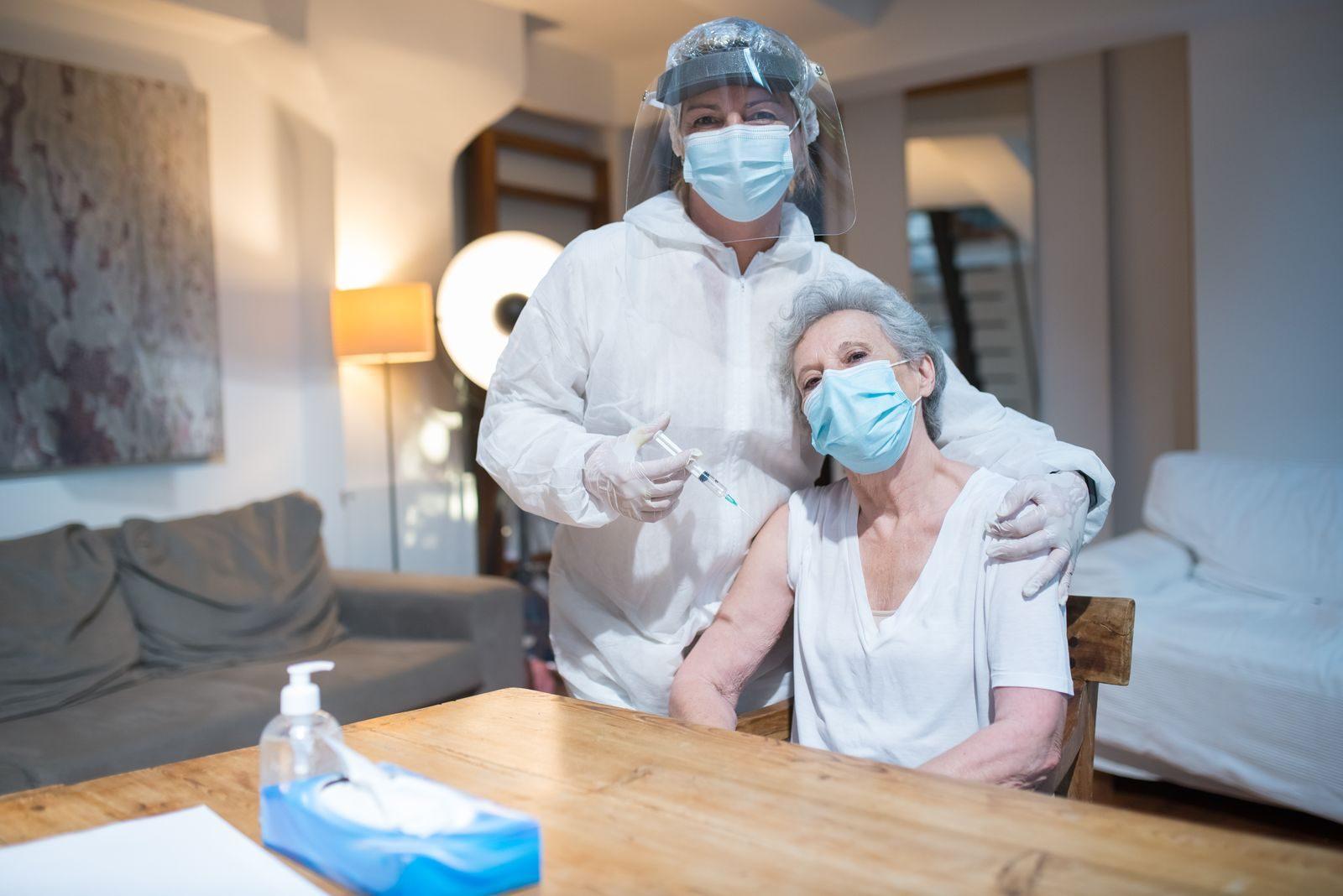
An older woman seated at a kitchen table while a health worker prepares a shot

Wellness

The shots still on the list

Flu, COVID-19, RSV, pneumonia, shingles, and the tetanus shot. The ages move. The habit is to ask what is due.

5 min

An older man with one hand on his forehead, looking at a tablet

Wellness

When it is not just age

A weak arm, words that will not come, or chest pressure. Those are not a week to wait and see.

5 min

A cup of coffee, reading glasses, and a pen on an open notebook

Wellness

The words on a cancer plan

Surgery, radiation, drug treatment, immunotherapy. Those are names you may hear. None of them is a product this paper sells.

9 min · film

An older man holding two prescription bottles up to read the labels

Wellness

The drug that travels

Chemotherapy is not one bottle. It is a family of drugs that move through the body. Here is what the National Cancer Institute wants you to know before the first chair.

9 min

A clinician in a white coat looking at medical scans, with a scanner visible through the glass

Wellness

The beam and the table

Radiation therapy is aimed energy, not a stronger x-ray of your teeth. Most visits are short. The questions are not.

8 min · film

A green plate of rice and zucchini with two soft-boiled eggs and parsley

Wellness

The plate during treatment

Appetite, taste, and a safe kitchen matter more, during cancer treatment, than a new diet with a name. Small meals. Real food. No cleanse.

8 min · film

An older man with one hand on his forehead, looking at a tablet

Wellness

The number they told you to call

Some side effects can wait for the next visit. A fever, bleeding, chest pain, or confusion during cancer treatment should not.

8 min

A yearly calendar, a pen, and tax forms spread on a desk

Wellness

A study with rules

A cancer clinical trial is a research study with eligibility rules. It is not a secret cure, and it is not only a last resort.

8 min · film

An older woman and a younger woman sitting together outdoors, holding hands

Wellness

The person beside you

The friend who drives, takes notes, and heats the soup is part of cancer care. They are also a person who has to eat and sleep.

8 min

Wellness

The count in the tube

Leukemia is a cancer of the blood and the bone marrow. In older adults it is often found on an ordinary blood test, before anyone feels sick.

7 min · film

Wellness

The prostate conversation

A PSA blood test is a decision, not a loyalty test. After seventy, routine screening is a question the Task Force answers no, and symptoms are a different phone call.

7 min · film

Wellness

A lump is a phone call

Breast cancer does not retire when you do. A screening mammogram has an age window. A new lump does not.

6 min · film

Wellness

The test you mail from home

Colorectal cancer often starts as a polyp that does not hurt. Several screening tests can find it. One of them is a kit, not a hospital gown.

7 min · film

Wellness

The scan if you smoked

Lung cancer screening is a yearly low-dose CT for a specific smoking history, between 50 and 80. A chest x-ray does not do this job.

7 min · film

The whole Wellness collection