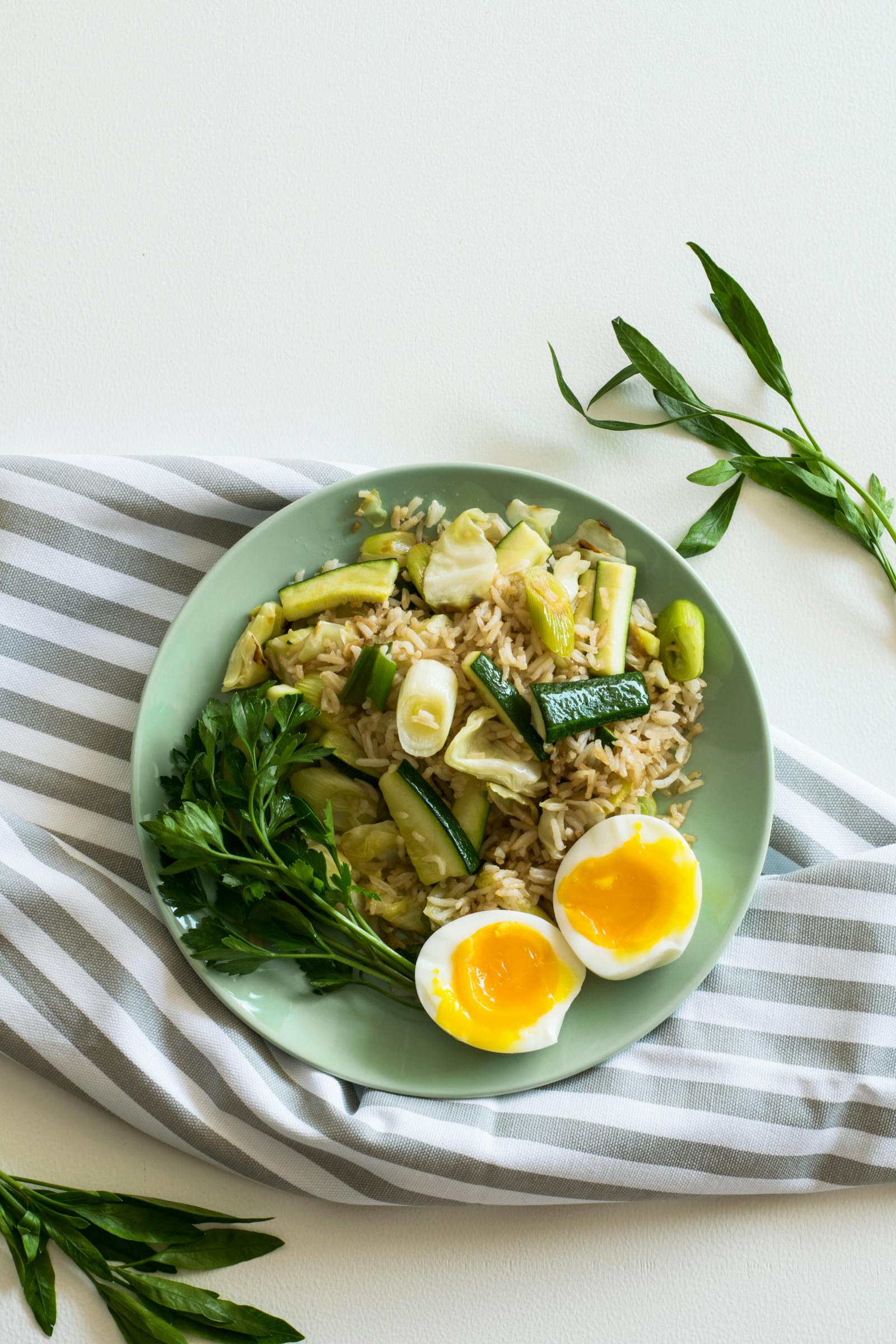
If the plate is impossible, tell the clinic. Weight you did not plan to lose is a medical fact, not a willpower problem.
On film, from the National Cancer Institute. Essential Food Safety for People with Cancer (1 min). Eight kitchen rules from the Institute for months when treatment makes a food-borne illness more dangerous. Ask your team whether they apply to you now.
Cancer treatment can take the appetite, change the taste of coffee, and make a normal kitchen riskier if white cells are low. The National Cancer Institute’s film on this page is one minute on food safety. The rest of this piece is how to eat when eating is a chore. It is not a diet that treats cancer. No soup, fast, or powder does that job. The drugs, the beam, and the operation do, when they are the right ones. Food is how you stay strong enough to receive them.
When nothing sounds good
Eat less, more often. A full dinner plate can feel like a threat. A piece of toast, an egg, yogurt, or a glass of milk at the hour you feel least ill still counts. Keep the foods you can stand where you can see them. If smells from the stove turn your stomach, eat food that does not need cooking: a sandwich, cheese, a banana, cereal. Tell the clinic about nausea. Medicine for nausea exists, and the first one they try is not always the one that works. Ginger tea is not a replacement for that call. It is a cup, if you like the taste.
Taste can go flat, metallic, or too sweet. The Institute suggests trying tart or salty foods if taste has vanished, and avoiding metal forks if everything tastes like a coin. Brush your teeth. A coated tongue changes flavor. If the mouth is sore, say so. That can be treated. Do not decide you have “gone off food” and wait a month.
Protein, without a lecture
Eggs, yogurt, milk, cheese, beans, fish, and meat are the ordinary ways to put protein on a day when meat tastes wrong. If meat is the problem, do not force the chop. Move the protein to eggs or beans or a drink your dietitian names. Unplanned weight loss during treatment often takes muscle with it. That makes walking, healing, and the next visit harder. A registered dietitian who works with cancer patients is the right specialist. Ask for one. Do not hire a stranger on the internet who wants you to juice instead of eat.
The kitchen, if counts are low
- Wash hands, knives, and counters before and after you cook.
- Keep raw meat away from foods you will eat cold.
- Wash fruit and vegetables.
- Thaw meat in the refrigerator, not on the counter.
- Skip raw fish, raw meat, unpasteurized juice, and soft cheeses made from raw milk, if your team has told you your counts are low.
- Put leftovers in the refrigerator within two hours.
Those lines follow the National Cancer Institute’s food-safety film. They are stricter than an ordinary Tuesday, and they are not forever. Ask whether they apply to you this month. If your team has not restricted your food, do not invent a rule that leaves you eating nothing.
No cleanse
A cleanse, a fast, or a supplement stack during chemotherapy or radiation can starve you or interfere with the drug. The Centers for Disease Control and Prevention tells survivors to ask which foods clash with their medicines. Ask. Then eat.
Sources to read yourself
- National Cancer Institute, Eating Hints
- National Cancer Institute, Appetite loss and nutrition during treatment
- Centers for Disease Control and Prevention, Eating well during cancer treatment
A note from the desk
This is general reading, not a diagnosis and not a plan written for you. Before you change how you move, eat, or what you keep in the cabinet, ask your own clinician. Do not stop a prescribed medicine because of something you read.