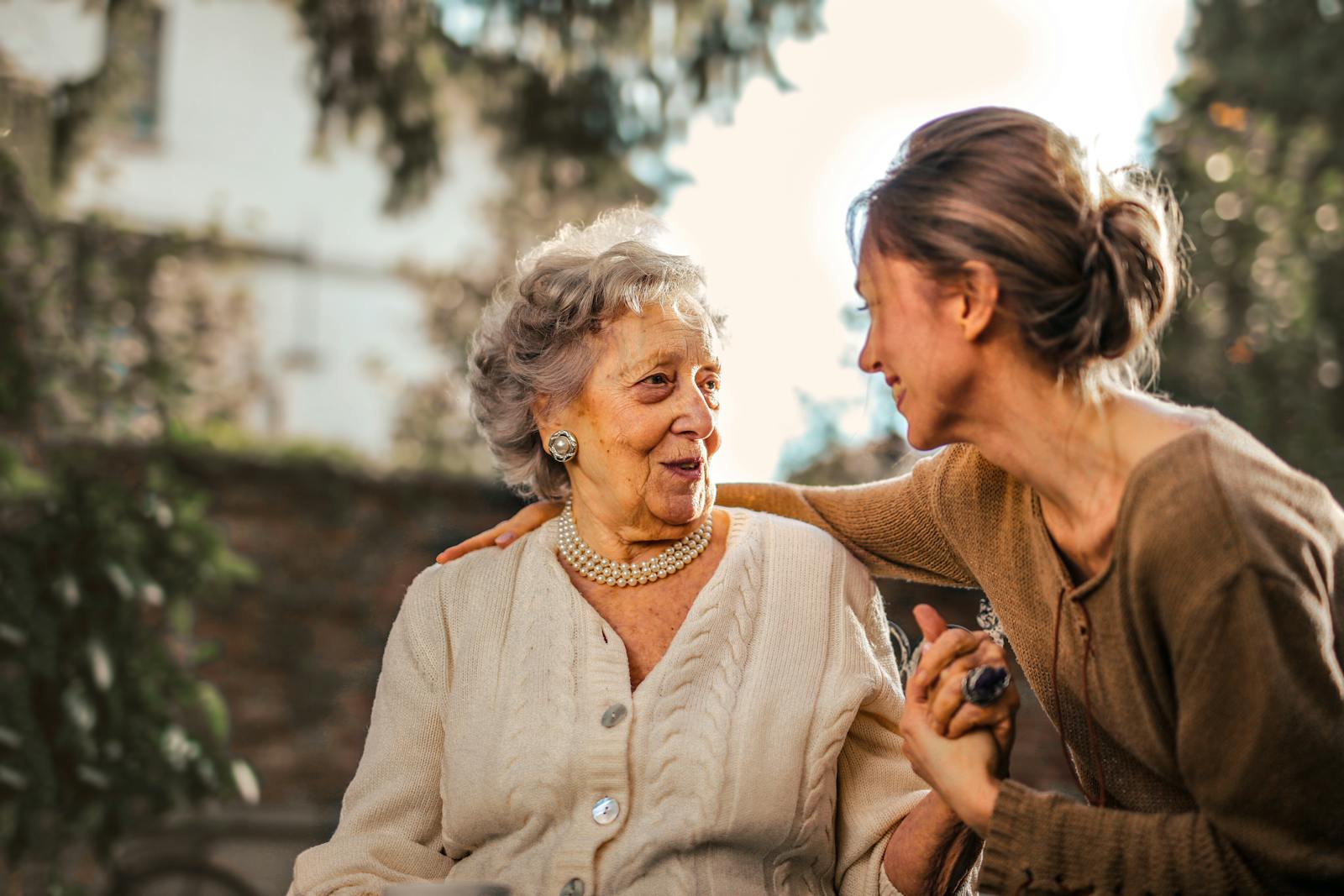
The person with the cancer stays in the decisions. The person beside them is allowed to say they are tired.
Cancer treatment is a series of rooms: the consult, the lab, the infusion chair, the radiation table, the pharmacy line. Someone has to know where the car is. The American Cancer Society writes for that someone as carefully as it writes for the patient. This piece is for both of you. If you are the person in the chair, hand it to the person in the other one. If you are the person in the other chair, you are allowed to be afraid and still useful.
What helps in the room
Bring the question card. Write the answers in words you both understand. Ask the doctor to spell the drug. Repeat the night number out loud so you are sure you copied it. The American Cancer Society suggests a second pair of ears because memory in that room is unreliable. Do not speak over the person who has the cancer. Ask them, on the drive, which questions are theirs to ask. Some people want you to talk. Some want you to be the pen. Settle it before you sit down.
The practical list
- A folder: insurance cards, medicine list, the names of the doctors, the after-hours number.
- A ride home on days when the drug or the fatigue makes driving a bad idea. Decide this the night before, not in the parking lot.
- Food they can stand in the car. Crackers, a banana, water. Not a feast.
- The bottles, including vitamins, at the medication visit. Not a memory of the bottles.
- One person who is the backup if you get sick. Caregiving that depends on a single set of keys is fragile.
You eat too
The Society’s caregiver pages keep returning to a fact families skip: the helper who does not sleep and does not eat becomes a second patient. Take the walk. Keep your own doctor’s appointments. Say out loud when you are past what you can do this week. Asking a neighbor to sit for two hours is not abandonment. The person you love needs you present next month, not heroic and then gone.
Grief and irritation can sit in the same afternoon. That is ordinary. If either of you cannot get out of bed, stops eating entirely, or talks about not wanting to be alive, that is a call to the clinic and, if the danger is today, to emergency services. Love is not a treatment plan for depression.
Decisions stay with the patient
Unless they have put you in charge in writing, the treatment choice is theirs. Your job is to help them hear it, not to pick the brave-looking option for them. If they refuse a treatment, the oncologist is the person to walk through what that means. Not a group text.
Sources to read yourself
A note from the desk
This is general reading, not a diagnosis and not a plan written for you. Before you change how you move, eat, or what you keep in the cabinet, ask your own clinician. Do not stop a prescribed medicine because of something you read.