Ask the name of the drug. “Chemo” is a category. Your veins are getting a specific thing.
The National Cancer Institute’s booklet Chemotherapy and You is written for the person about to sit in the chair, and for the person who will drive them home. This page is a reading of that booklet, not a substitute for it. The booklet is linked at the bottom. It is a government PDF, free, and it is worth printing.
Chemotherapy is drug treatment that can reach cancer cells in more than one place, because the drug travels in the blood. Sometimes it is the only treatment. More often, the Institute says, it is given with surgery, radiation, targeted therapy, or immunotherapy. It may be used to shrink a tumor before an operation. It may be used to chase cells that might remain after an operation. It may be used when cancer has come back or moved. Those are different jobs. Ask which job yours is doing.
How it is given
Some drugs are infused into a vein, in a clinic, while you sit. Some are pills you take at home on a schedule that has to be exact. Some are injected. The schedule may be once a week, or once every few weeks, with a rest so healthy cells can recover. Ask how yours is given, how long the visit is, whether you can drive yourself, and what the rest week is for. Do not move a pill dose to “make up” a forgotten morning. Call the clinic and ask. A double dose is not a small mistake.
Why you feel it in places that are not the tumor
These drugs damage cells that divide quickly. Cancer cells divide quickly. So do cells in the bone marrow, the mouth, the hair, and the lining of the gut. That is why the same treatment can lower blood counts, make the mouth sore, thin the hair, and turn the stomach. The Institute lists fatigue as one of the problems people describe most: weak, heavy, slow, not fixed by a nap. Fatigue can also come from anemia, pain, poor sleep, or from radiation given in the same months. Tell the clinic. There are ways they adjust support. There is no powder in this paper that replaces that call.
The calls that do not wait
A fever while blood counts are low is not a cold you watch until Monday. Infection is harder to fight when white cells are down. Ask your clinic, before the first dose, what temperature they want a call for, day or night. Ask what bleeding, chest pain, confusion, or vomiting you cannot keep down should make you do. Write those rules on the card from the other piece in this paper. The longer piece called The number they told you to call is the same list, kept by the phone.
The other medicines stay in the conversation
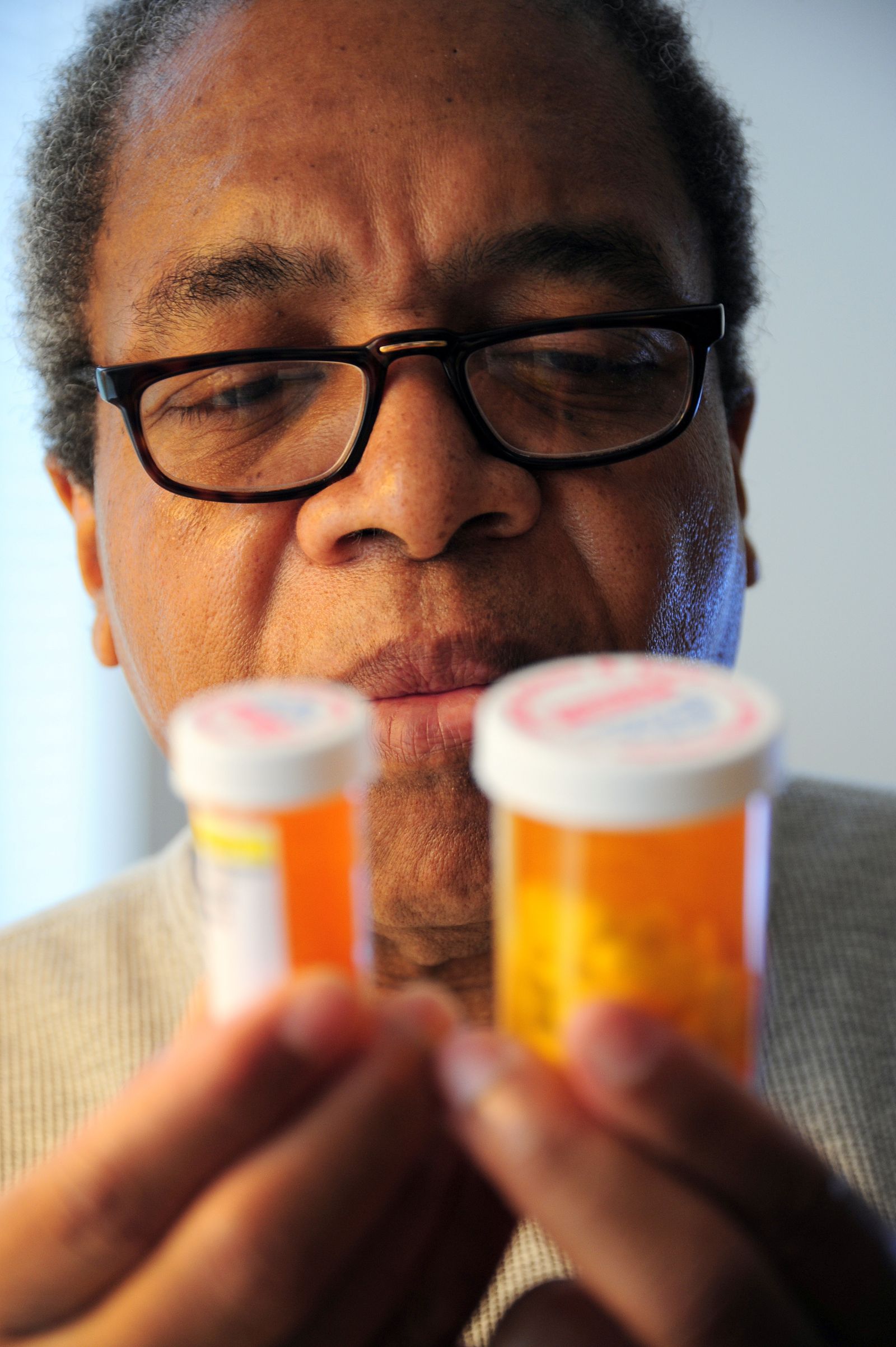
Bring every bottle, including the ones you buy yourself. A blood thinner, a diabetes drug, a heart pill, and a supplement can change what a cancer drug does. Do not stop a prescribed medicine because you are now “on chemo” and the cabinet feels crowded. Stopping a heart medicine or a blood thinner on your own is a separate danger. The oncologist and the doctor who prescribed the daily pills need to see the same list.
One name, not the whole family
If a friend tells you what chemotherapy was like for them, thank them and then ask your own nurse. Their drug, their cancer, and their body were not yours. The booklet is the map. The clinic is the route.
Sources to read yourself
A note from the desk
This is general reading, not a diagnosis and not a plan written for you. Before you change how you move, eat, or what you keep in the cabinet, ask your own clinician. Do not stop a prescribed medicine because of something you read.