
Remedies collection · Vol. I, No. 1
Remedies with a paper trail
Ginger, honey, peppermint, and a heat pack — what they can honestly do, and where they must not replace a prescription.
· 8 min read
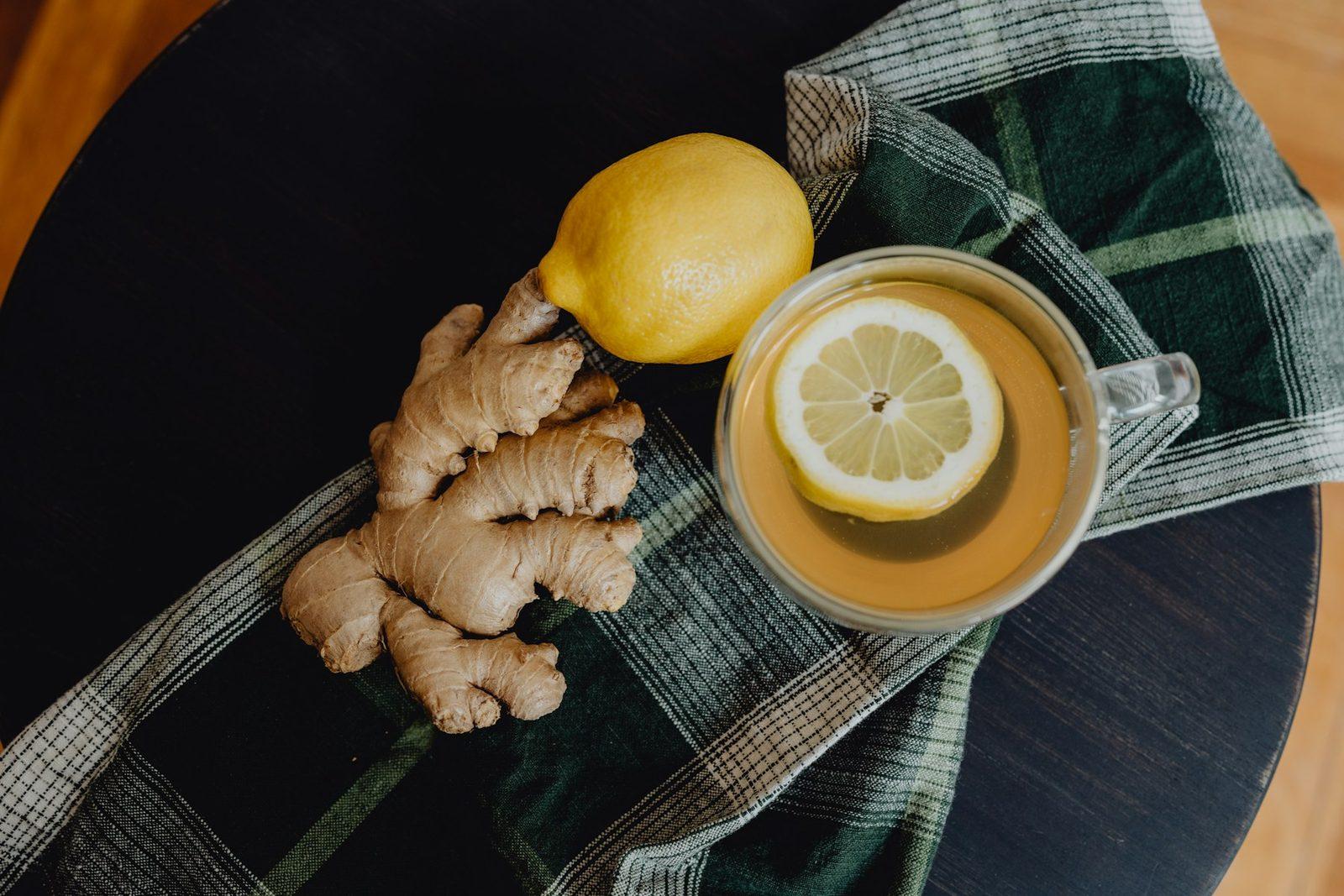
The dangerous bottle is rarely the tea. It is the one you start while quietly stopping the medicine a doctor already chose.
A kitchen is allowed to be comforting. Ginger in hot water, a teaspoon of honey in tea, peppermint when your stomach is ordinary and cross, a warm pack on a back that stiffened in the garden: people have used these for a long time, and some of them have a modest paper trail. None of them is a second doctor. At seventy, the important story is not a miracle root. It is the list of prescriptions the root might collide with.
What the ordinary versions are for
Ginger has been studied most for nausea. A tea or a piece of crystallized ginger is the version this piece means — food, not a fistful of capsules. If nausea is new, severe, or riding along with pain, chest pressure, or confusion, it is not a tea problem. Call.
Honey can quiet a cough in an adult for a night. It does not treat an infection. If you are limiting sugar closely, a teaspoon still counts; it is a comfort, not a requirement. Peppermint tea eases an ordinary upset stomach for some people and worsens reflux for others. If it burns on the way back up, stop. You have your answer.
Heat is reasonable for a muscle that is stiff and familiar. Ice is reasonable for a new swell in the first day or so, wrapped, not bare on the skin, and not for long. Neither one tells you what the joint is doing. A hot joint with fever, or a calf that is hot and swollen after a trip, needs a clinician the same day.
The bottles that advertise harder
Turmeric and curcumin show up in every ad aimed at a stiff knee. The research is mixed, and concentrated supplements are not the same thing as dinner with some spice in it. Curcumin can matter if you take a blood thinner or other drugs that affect bleeding. The National Center for Complementary and Integrative Health keeps a plain page on turmeric. Read it, then ask the pharmacist who already fills your prescriptions — not the website that sells the jar.
The same rule covers the rest of the cabinet: magnesium megadoses, “memory” stacks, CBD, anything labeled immune, liver, or prostate. Bring the bottles, including the ones you buy at the grocery store, to one medication review a year. Pharmacists do this. It is one of the most useful half hours available to a person who takes more than two prescriptions.
- Say every product out loud, including the gummies and the powder.
- Ask which ones change the effect of a blood thinner, a blood-pressure pill, a diabetes drug, or a heart medicine.
- Ask what you can stop because it is only expensive.
- Write the answer down. The ad will still be there tomorrow. Your list should be, too.
Sleep, a walk, enough protein, and the medicines you and your clinician already agreed on will do more for the next ten years than a new bottle with a gold cap. If a newsletter, a neighbor, or a salesman suggests you drop a prescription in favor of a root, that is the sentence to ignore.